
Guides · Glossary
Book terms, explained.
What sellers mean by "very good", "price clipped" or "remainder mark" — so you know exactly what you're buying, especially second-hand.
A
- Advance Reading Copy (ARC)
- A copy of a book provided to reviewers and booksellers before publication. Usually softcovers, ARCs are usually uncorrected proofs, which means they may not contain the final approved text.
- Annotated Edition
- A later edition with comments and explanations added by the publisher.
- Anthology
- A book containing a collection of works such as short stories, poems, essays or plays.
- Antiquarian Books
- A broad term for older, collectible books. This term sometimes describes books published before 1900.
- As New
- A book condition description. A book in the exact condition as when it was first printed.
B
- Binding
- The material used to make the covers of a book.
- Bildungsroman
- A work of fiction where the main character progresses from childhood to adult, such as Anne of Green Gables.
- Blurb
- A positive comment about a book (often provided by another author) that's printed on the book for promotional purposes.
- Book Club Edition (bc, bce)
- An edition printed for a large-scale subscription-model book club.
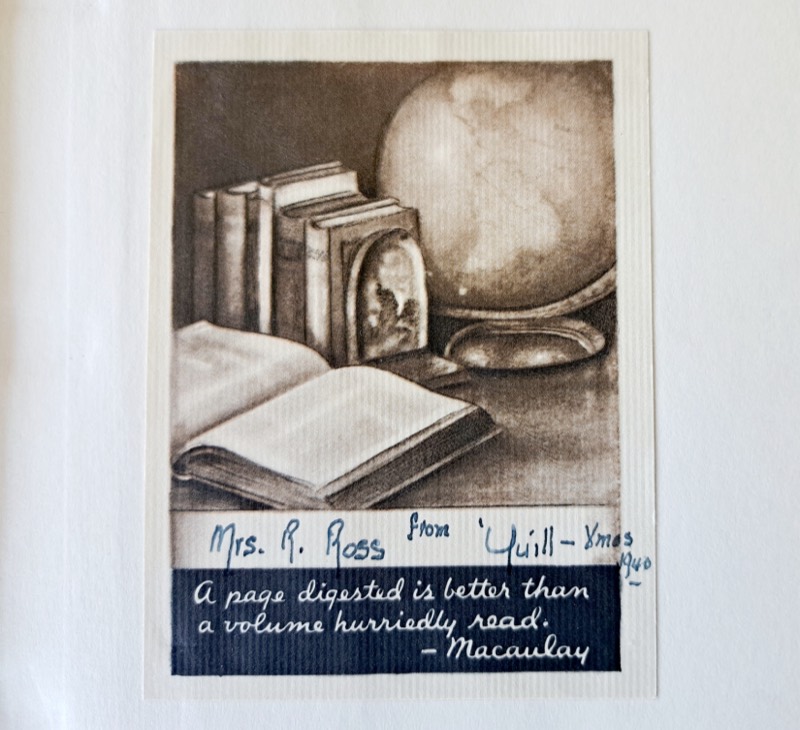
- Bookplate (bkpl)
- A pasted-in piece of paper that indicates ownership of a book. Bookplates are often illustrated to reflect the owner's taste in literature or show something about them.
- BookTok
- TikTok's community of booklovers.
D
- Deckle Edges
- When the edges of the pages are uncut or untrimmed, creating an uneven appearance.
- Dust Jacket (dj) or Dust Wrapper (dw)
- The decorative cover wrapped around a book.
E
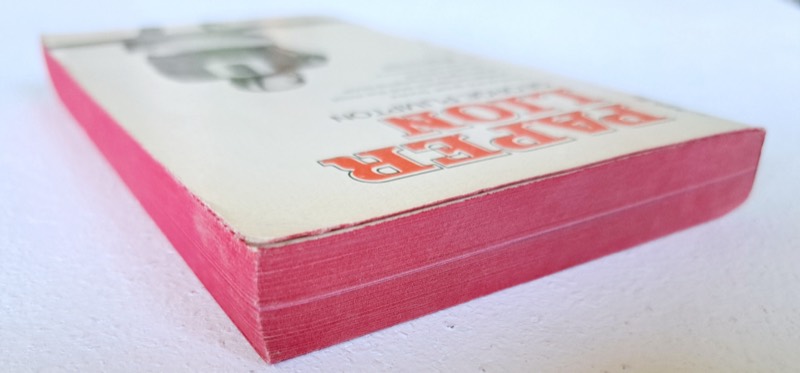
- Edges
- The outer surface of a book's pages. Top edge, bottom edge, front edge.
- Endpapers (ep)
- Sheets of paper pasted onto the inner covers. One side of the sheet is pasted to the inside cover, the other is left free (front free endpaper, ffep, and rear free endpaper, rfep).
- Ex-Library Book
- A book that once belonged to a public library. They are identified with markings like library stamps or card pockets. They are often stamped with "discarded" or "withdrawn."
F
- Fine (F)
- A book condition description. This is a book that has been read but has no defects. Sellers also use Near Fine for a used book with a minor defect.
- First Edition
- The first appearance of an author's work in print. A work can have numerous first editions such as the first paperback edition, first illustrated edition, first American edition etc. The phrase "true first edition" indicates the earliest edition.
- Foxed, Foxing
- Brown spots on the paper of older books, particularly if they have engraved illustrations, caused by a chemical reaction.
G
- Good (g)
- A book condition description. The average used book that has wear from being read.
H
- Hardcover
- A book with rigid covers, typically cloth or board covered.
I
- ISBN
- International Standard Book Number. It's a 10 or 13-digit number that identifies a specific book or an edition of a book (a paperback will have a different ISBN to the hardcover edition). ISBNs have been used since 1970. Searching by ISBN helps you find an exact edition of a particular work.
M
- Mass-Market Paperback (mmpb)
- The most common paperback book, about 4 x 7 inches (10 x 17 cm). Often used for mystery, science fiction and romance.
O
- Out-of-Print (oop, op)
- A book no longer being printed by its publisher.
P
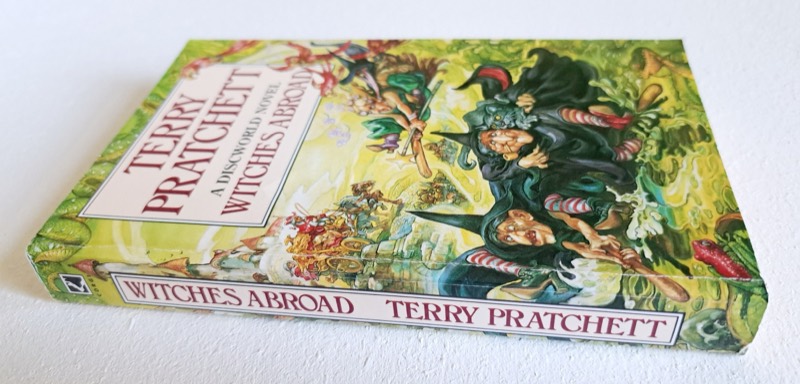
- Paperback (pb, ppr)
- A book with a paper cover. Also called a softcover.
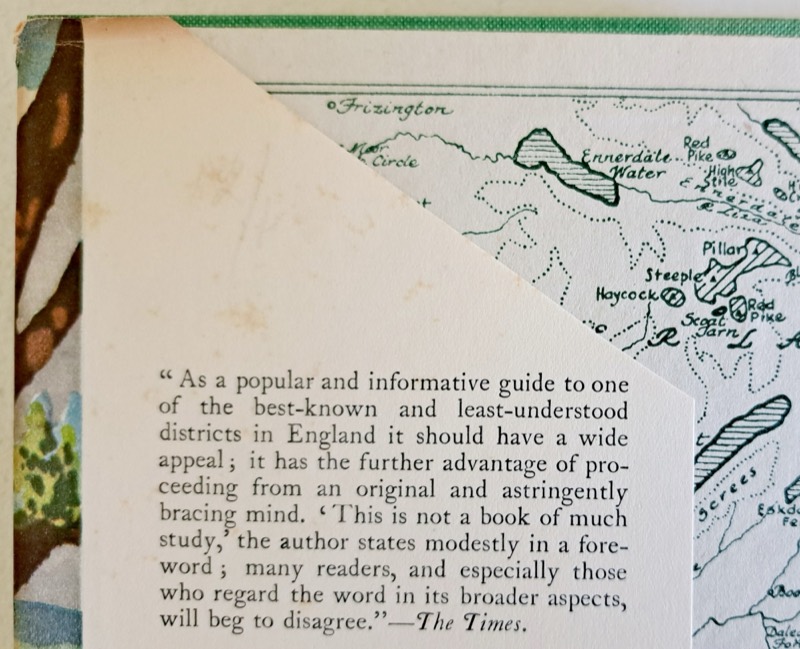
- Price Clipped (pc)
- When the book's price has been cut from the corner of the dust jacket because it's a gift.
R
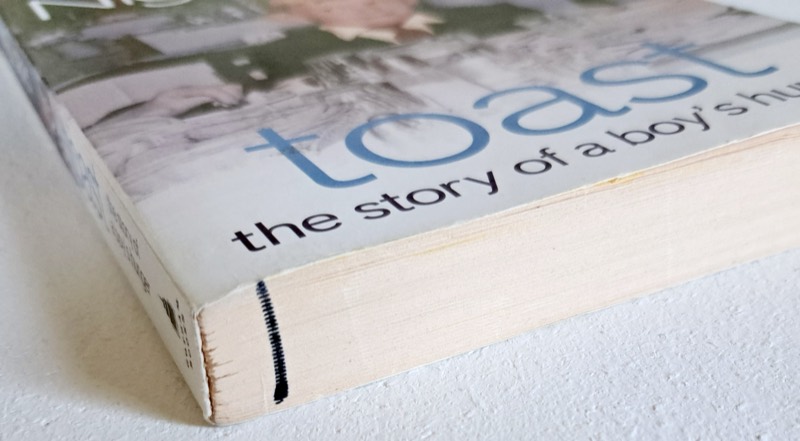
- Remainder (rem) / Remainder Marks (rm)
- When a book is no longer in demand, a publisher may sell remaining copies to "discount" booksellers who specialize in low-cost books. Remainders usually have a mark on the bottom edge such as a dot or a line.
S
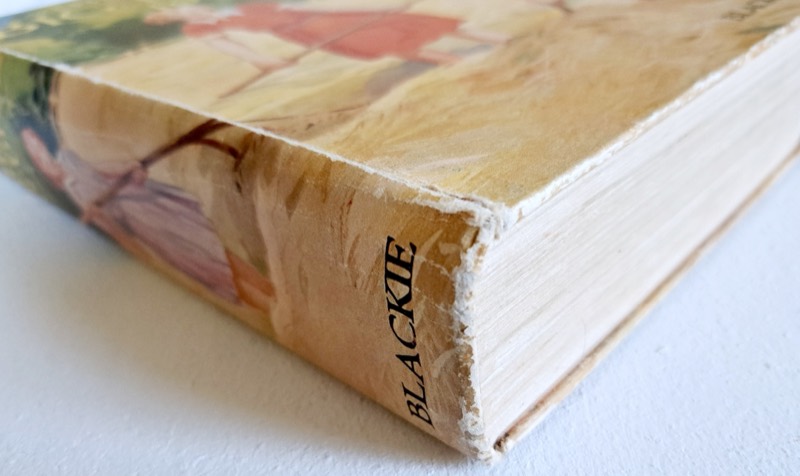
- Shelf Wear
- Wear a book picks up from being shelved, browsed and moved: rubbed or scuffed covers and edges, lightly bumped corners, and some fading on the spine. Sellers often describe an otherwise sound copy as having "light shelf wear", and it usually still fits a Very Good or Good grade. It doesn't affect reading. Collectors care more, so for a first edition or a signed copy, check the seller's photos or ask.
- Signed
- A book signed by its author or illustrator.
V
- Very Good (vg)
- A book condition description. A used book with only small signs of wear.
Y
- Young Adult (YA)
- Books aimed at readers who are 12 to 18-years-old with more complex or serious plots than children's literature.